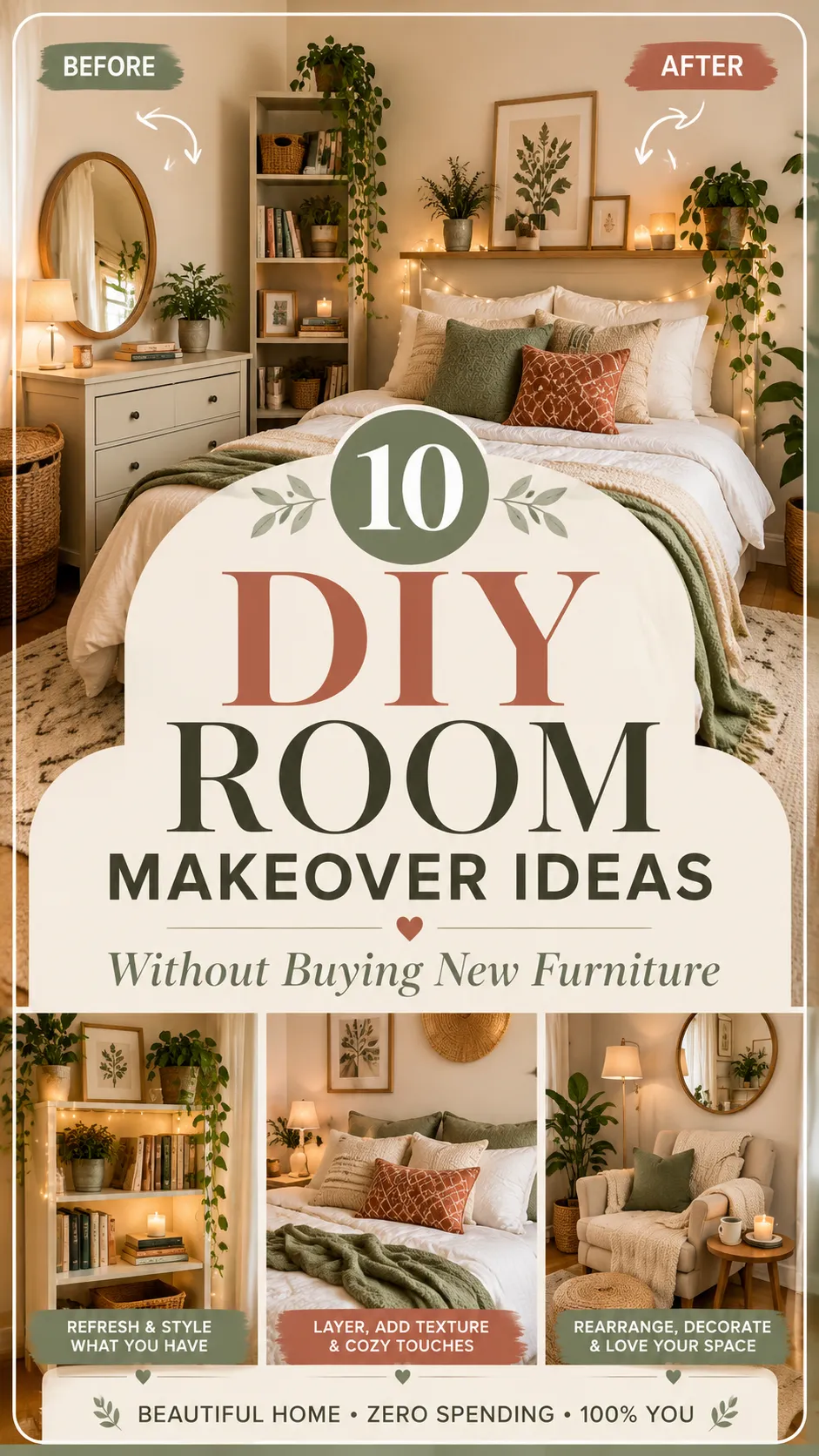
A room can start feeling dull even when there is nothing technically wrong with it. The furniture still works, the walls are in good condition, and the storage is usable—but the space no longer feels inspiring.
The obvious solution may seem to be buying a new bed, desk, sofa, dresser, or shelving unit. However, replacing furniture can quickly become expensive, wasteful, and unnecessary.
The good news is that some of the most impressive room transformations do not involve purchasing new furniture at all.
With thoughtful rearranging, creative repurposing, improved lighting, better styling, and a few simple DIY projects, you can make an ordinary room feel cleaner, brighter, larger, and more personal. You can often complete the transformation using materials and decorative items you already own.
These DIY room makeover ideas without buying new furniture are suitable for bedrooms, living rooms, home offices, dorm rooms, guest rooms, rental apartments, and small spaces. Each idea includes practical instructions, who it suits best, styling advice, and key benefits.
How Can You Make Over a Room Without Buying Furniture?
To make over a room without purchasing furniture, focus on changing how the existing elements look, function, and interact. Start by decluttering, rearranging the layout, restyling surfaces, changing textiles, improving lighting, and repurposing unused items.
The most effective low-cost room makeover strategies include:
- Rearranging the furniture layout
- Creating a new focal point
- Restyling existing shelves and surfaces
- Updating furniture with paint or removable materials
- Reusing textiles in creative ways
- Improving the lighting arrangement
- Designing an accent wall with existing supplies
- Repurposing forgotten household items
- Creating organized zones
- Bringing in natural elements
These changes work because they alter the visual balance, color distribution, lighting, and function of the room without requiring large purchases.
DIY Room Makeover Ideas Comparison Table
| Room Makeover Idea | Estimated Time | Difficulty | Ongoing Maintenance | Best For |
|---|---|---|---|---|
| Rearrange the furniture | 1–3 hours | Easy | Very low | Small or awkward rooms |
| Create a new focal point | 1–2 hours | Easy | Low | Plain rooms without personality |
| Restyle shelves and surfaces | 1–2 hours | Easy | Medium | Cluttered bedrooms and offices |
| Refresh existing furniture | 3–8 hours | Intermediate | Low | Old or mismatched furniture |
| Transform existing textiles | 1–4 hours | Easy | Medium | Bedrooms and cozy living spaces |
| Improve the lighting layout | 30–90 minutes | Easy | Low | Dark or flat-looking rooms |
| Design a no-cost accent wall | 2–6 hours | Intermediate | Low | Rentals, bedrooms, and studios |
| Repurpose household items | 1–5 hours | Intermediate | Low | Creative and eclectic interiors |
| Create functional room zones | 1–3 hours | Easy | Medium | Multipurpose and shared rooms |
| Add natural decorative elements | 30–90 minutes | Easy | Medium | Calm, organic, relaxing spaces |
1. Rearrange the Furniture for a Completely New Layout
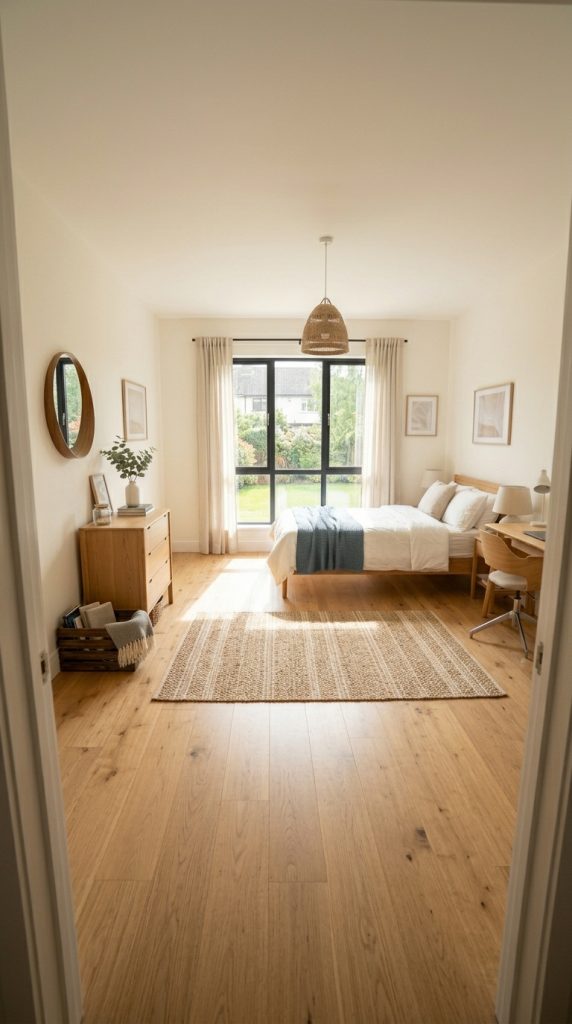
Rearranging furniture is one of the fastest and most effective ways to transform a room without spending money. A different layout can improve movement, reveal hidden floor space, increase natural light, and make old furniture feel new again.
Many rooms are arranged according to habit rather than function. A bed may have remained against the same wall for years, while a desk may block valuable daylight. Moving only two or three major pieces can dramatically change the atmosphere.
Who This Idea Suits Best
This room makeover idea works especially well for:
- Small bedrooms
- Studio apartments
- Home offices
- Dorm rooms
- Rooms with awkward corners
- Spaces that feel crowded or unbalanced
How to Rearrange the Room
Begin by measuring the largest furniture items and the available wall space. You can sketch a simple floor plan on paper before moving anything.
Start with the biggest item, such as the bed, sofa, or desk. Position it where it supports the room’s main purpose.
For example, place a desk near a window for natural light, but angle the screen to avoid glare. In a bedroom, position the bed so it becomes the visual anchor without blocking doors or walkways.
Try moving furniture away from the walls. Floating a chair, desk, or small table can make the room look intentionally designed rather than simply filled.
Styling Tips
Keep approximately 24 to 36 inches of space around major walkways whenever possible. Avoid placing tall furniture where it blocks windows or makes the ceiling appear lower.
Use rugs, lamps, or wall art to connect furniture pieces after rearranging them. This prevents the new layout from looking disconnected.
Benefits
- Costs nothing
- Improves room functionality
- Can make a small space feel larger
- Encourages better movement
- Reveals new decorating possibilities
- Makes familiar furniture feel refreshed
2. Create a New Focal Point Using Items You Already Own
Every well-designed room benefits from a focal point—a feature that attracts attention as soon as someone enters.
Without a clear focal point, a room can feel visually scattered. Fortunately, you do not need an expensive headboard, oversized mirror, designer artwork, or new fireplace surround to create one.
You can build a focal point around an existing bed, sofa, desk, window, gallery wall, or decorative collection.
Who This Idea Suits Best
This idea is ideal for people who have:
- Plain or undecorated rooms
- Several small decorative items
- Artwork stored away
- A bed or sofa that needs more presence
- A blank wall that feels unfinished
How to Create the Focal Point
Choose one area that naturally deserves attention. In a bedroom, this will usually be the wall behind the bed. In a living room, it may be the sofa wall, entertainment unit, or largest window.
Gather items with a shared visual connection. They may have similar colors, shapes, frames, materials, or themes.
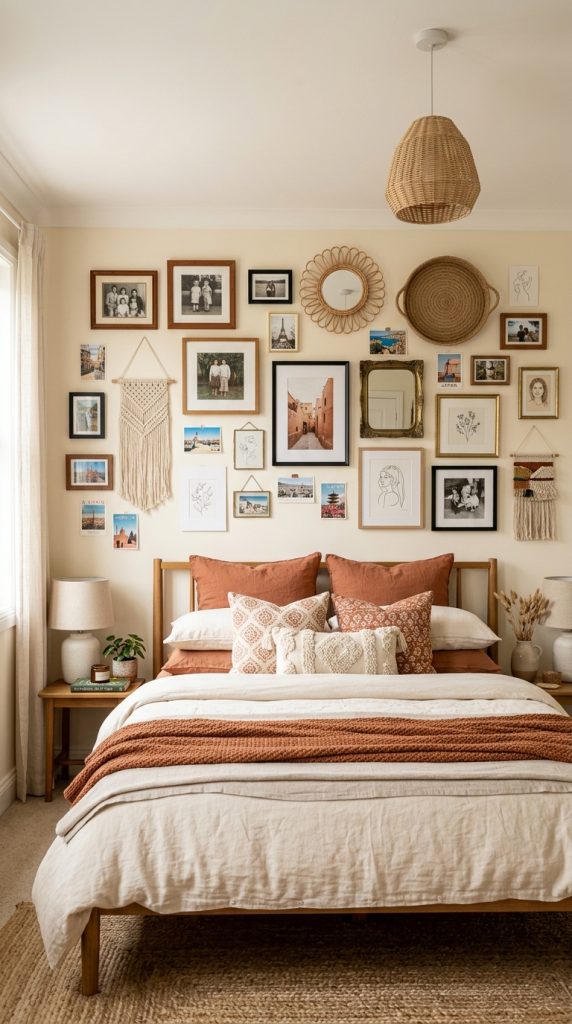
For example, combine framed photographs, postcards, sketches, woven pieces, and small mirrors to create a gallery arrangement. Lay everything on the floor first so you can test the composition before attaching it to the wall.
You can also create a focal point by layering blankets, pillows, artwork, and lighting around an existing bed or sofa.
Styling Tips
Repeat one color at least three times throughout the focal area. This helps different objects look intentional rather than random.
Use an odd number of major decorative elements when possible. Groups of three, five, or seven often look more natural and visually balanced.
Benefits
- Gives the room a clear design direction
- Makes ordinary furniture look more polished
- Displays meaningful personal objects
- Reduces the need for expensive wall decor
- Creates an attractive background for photographs
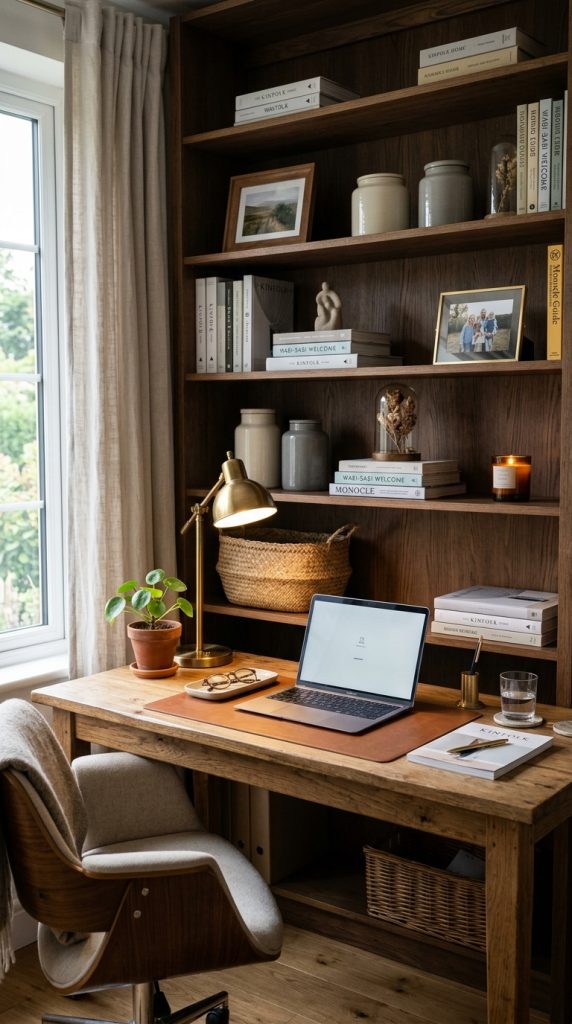
3. Restyle Shelves, Desks, Dressers, and Other Surfaces
A room makeover does not always require changing the walls or moving heavy furniture. Sometimes the biggest improvement comes from restyling visible surfaces.
Overfilled shelves, crowded nightstands, tangled desk accessories, and cluttered dresser tops can make a room feel smaller and more stressful. Editing these surfaces creates immediate visual calm.
Who This Idea Suits Best
Surface restyling is particularly useful for:
- Students
- Book lovers
- Home-office users
- Collectors
- People with open shelving
- Anyone whose room feels cluttered
How to Restyle Existing Surfaces
Remove everything from one surface at a time. Clean it thoroughly, then return only the items that are functional, attractive, or personally meaningful.
Group similar objects rather than scattering them. Stack two or three books horizontally and place a small decorative object on top. Use a tray to contain perfume bottles, skincare products, candles, keys, or stationery.
On bookshelves, combine vertical books, horizontal stacks, framed photographs, baskets, and open space. Empty areas are important because they allow the displayed pieces to stand out.
Styling Tips
Use the rule of three by arranging objects in groups of three different heights. For instance, combine a tall vase, a medium-sized framed photograph, and a small candle.
Turn visually unattractive books around only when you do not need to identify them frequently. For practical collections, organize by height, subject, or color instead.
Benefits
- Makes the room appear cleaner
- Highlights meaningful possessions
- Improves everyday organization
- Creates a professionally styled look
- Requires no new furniture
- Can be completed in a single afternoon
4. Refresh Existing Furniture with Paint, Fabric, or Removable Materials
Old furniture does not necessarily need replacing. A worn dresser, basic nightstand, scratched desk, or mismatched chair can become a stylish feature with a simple surface update.
Paint is one option, but it is not the only one. Leftover wallpaper, removable contact paper, fabric scraps, ribbon, rope, and decorative paper can also update existing pieces.
Who This Idea Suits Best
This approach works well for:
- People with dated furniture
- Rooms containing mismatched wood tones
- Creative DIY enthusiasts
- Renters using removable materials
- Anyone who wants a stronger color theme
Ways to Refresh Furniture
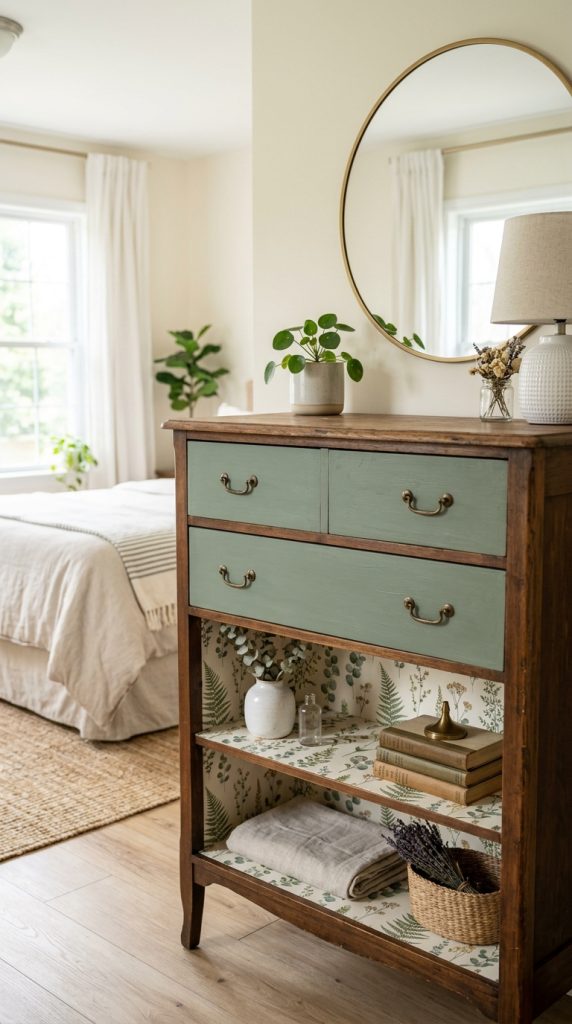
Paint only part of the furniture instead of the entire piece. Painting drawer fronts, table legs, shelving backs, or cabinet doors often provides enough contrast.
For a temporary makeover, apply removable contact paper to a desk surface, drawer front, shelf backing, or bedside table. Choose a design that complements the room rather than competing with it.
You can also wrap chair seats in leftover fabric, replace old handles with spare knobs from another item, or create simple drawer pulls using sturdy ribbon or leather offcuts.
Styling Tips
Clean and prepare every surface before applying paint or adhesive materials. Dust, oil, and residue can prevent proper adhesion.
Limit the makeover to one or two finishes. Combining multiple patterns, paints, and textures on a single piece may make it appear busy.
Test paint, fabric, or contact paper on a hidden area before covering the visible surface.
Benefits
- Extends the life of old furniture
- Creates a coordinated color palette
- Hides scratches and worn surfaces
- Adds personality to basic pieces
- Produces a high-impact transformation at minimal cost
5. Transform the Room with Existing Textiles
Textiles influence how a room feels because they introduce softness, color, pattern, and texture. Changing how you use existing curtains, blankets, scarves, tablecloths, cushion covers, and bedding can create a fresh design without buying furniture.
Even moving textiles between rooms can make familiar items feel new.
Who This Idea Suits Best
This makeover strategy is excellent for:
- Bedrooms
- Reading corners
- Cozy living rooms
- Dorm rooms
- Neutral spaces needing color
- Rooms that feel cold or unfinished
Creative Textile Makeover Ideas
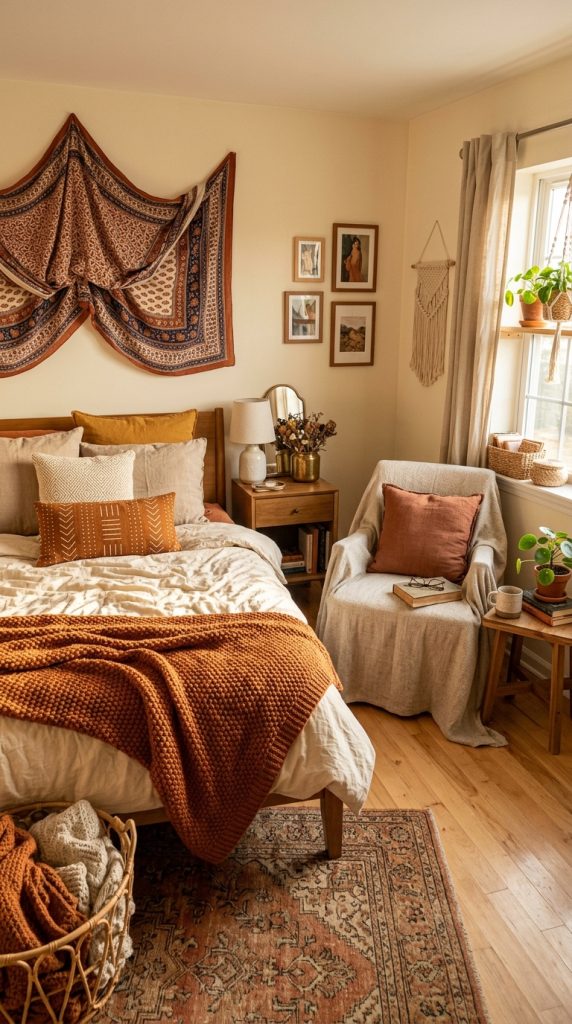
Fold a patterned blanket across the lower third of the bed instead of covering the entire mattress. Layer two smaller throws over a sofa or chair for added texture.
Use a large scarf, fabric panel, or lightweight tablecloth as temporary wall decor. It can be hung behind the bed, framed with wooden strips, or draped over an unattractive section of wall.
Switch cushion covers between rooms. A living-room pillow may look completely different when paired with bedroom bedding.
You can also use fabric to hide open storage, cover a worn tabletop, soften a headboard, or create a canopy effect above a reading corner.
Styling Tips
Mix textures rather than using several competing patterns. For example, combine smooth cotton bedding, a knitted throw, and a velvet cushion.
Choose one dominant pattern and support it with solid-colored textiles. This creates interest without visual clutter.
Fold and drape fabric neatly. Intentional placement makes reused textiles appear stylish rather than improvised.
Benefits
- Adds warmth and comfort
- Changes the room’s color balance
- Hides worn or unattractive surfaces
- Softens hard furniture lines
- Makes seasonal updates easier
- Uses items already available at home
6. Improve the Lighting Layout
Lighting can completely change how colors, furniture, and decor appear. A well-furnished room may still feel uninviting when it relies on one harsh ceiling light.
Instead of buying a new fixture, rethink the placement and purpose of lamps you already own.
Who This Idea Suits Best
Lighting improvements are particularly valuable for:
- Dark bedrooms
- Home offices
- Rooms with limited natural light
- Reading spaces
- Rooms that feel flat during the evening
- Anyone who creates social media content at home
How to Improve Existing Lighting
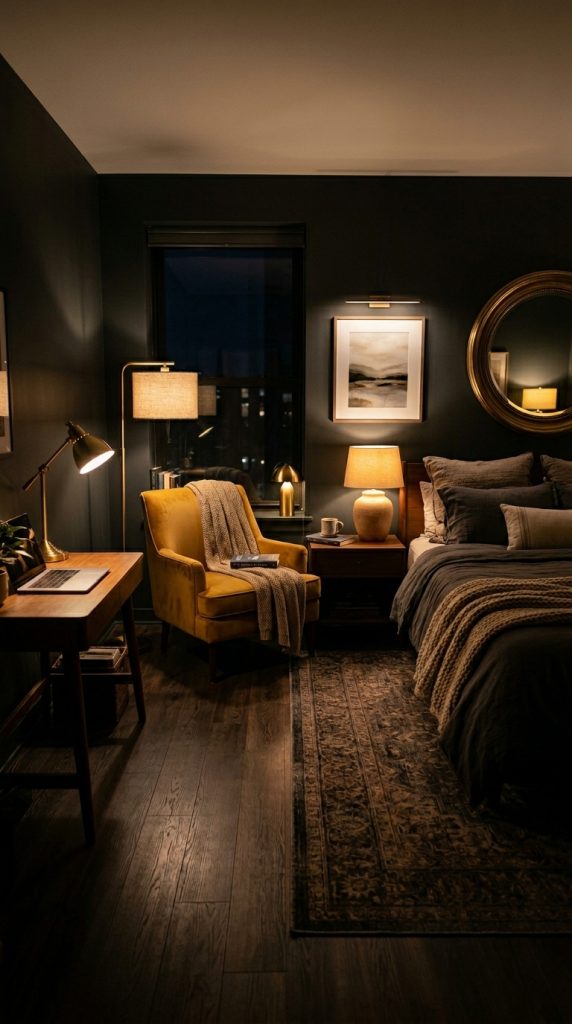
Bring lamps from underused rooms and test them at different heights. A table lamp, desk lamp, floor lamp, or clip light can create layers of illumination.
Aim for three forms of light:
- Ambient lighting for general visibility
- Task lighting for reading, studying, or working
- Accent lighting for highlighting artwork, plants, or architectural details
Place mirrors where they can reflect natural daylight or the warm glow of a lamp. Clean windows and lampshades, as dust can noticeably reduce brightness.
You can also reposition furniture so reading chairs and desks receive more daylight.
Styling Tips
Avoid placing every light source at the same height. A combination of ceiling, table, and floor-level lighting adds depth.
Use warmer bulbs in relaxing areas and brighter neutral light in work zones, provided compatible bulbs are already available.
Hide or neatly bundle visible cables to keep the arrangement polished.
Benefits
- Makes the room feel warmer
- Improves reading and working conditions
- Highlights attractive decor
- Creates a relaxing evening atmosphere
- Helps colors appear richer
- Can make a small room feel more dimensional
7. Design a No-Cost or Low-Cost Accent Wall
An accent wall can transform a room’s identity, but it does not always require new wallpaper or professional painting.
You can create a striking wall feature using leftover paint, photographs, paper shapes, book pages, postcards, fabric, washi tape, removable decals, or artwork already in your home.
Who This Idea Suits Best
This idea works particularly well for:
- Creative bedrooms
- Children’s rooms
- Rental apartments
- Dorm rooms
- Home offices
- Blank walls behind beds or desks
Accent Wall Ideas Using Existing Materials
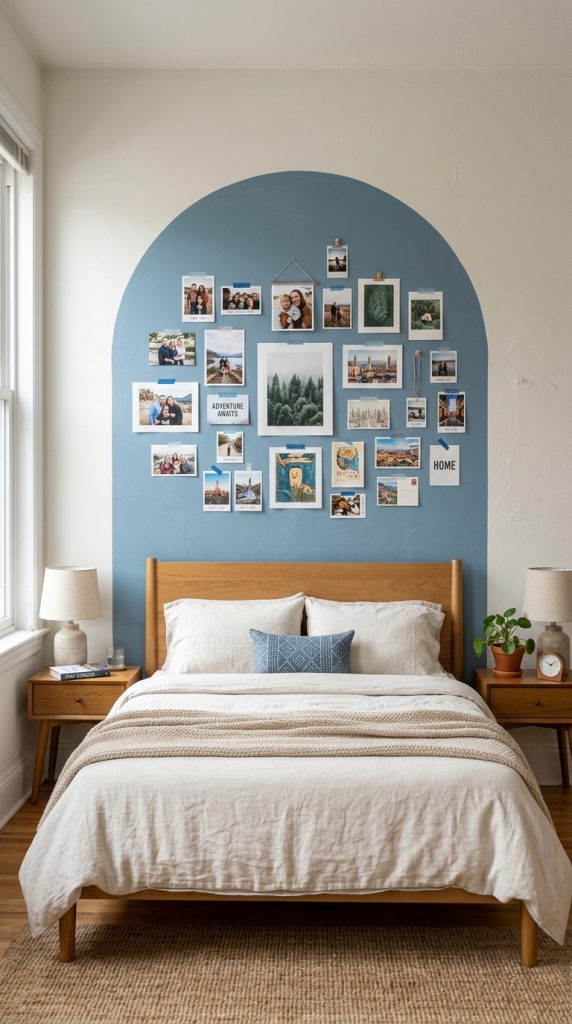
Use leftover paint to create an arch, rectangle, circle, or color-blocked section behind a bed, desk, or dresser.
Arrange postcards, photographs, magazine covers, or printed memories in a neat grid. A symmetrical layout looks modern, while an organic arrangement feels relaxed and artistic.
Create geometric outlines using removable tape. You can also hang a quilt, fabric panel, woven blanket, or collection of baskets as a large-scale wall feature.
For a literary room, arrange selected book pages or copied passages in frames. Avoid damaging valuable or sentimental books.
Styling Tips
Plan the full dimensions before attaching anything. Use painter’s tape to outline the area and view it from different positions.
Keep the accent wall connected to the rest of the room by repeating at least one of its colors in the bedding, rug, curtains, or accessories.
Do not decorate every wall heavily. An accent wall is most effective when surrounding areas remain simpler.
Benefits
- Adds personality without replacing furniture
- Creates a strong visual focal point
- Helps define a bed, desk, or seating area
- Can be renter-friendly
- Makes the room more photographable
- Offers endless opportunities for customization
8. Repurpose Forgotten Household Items as Decor and Storage
One of the most sustainable DIY room makeover ideas is to reuse objects that are already available.
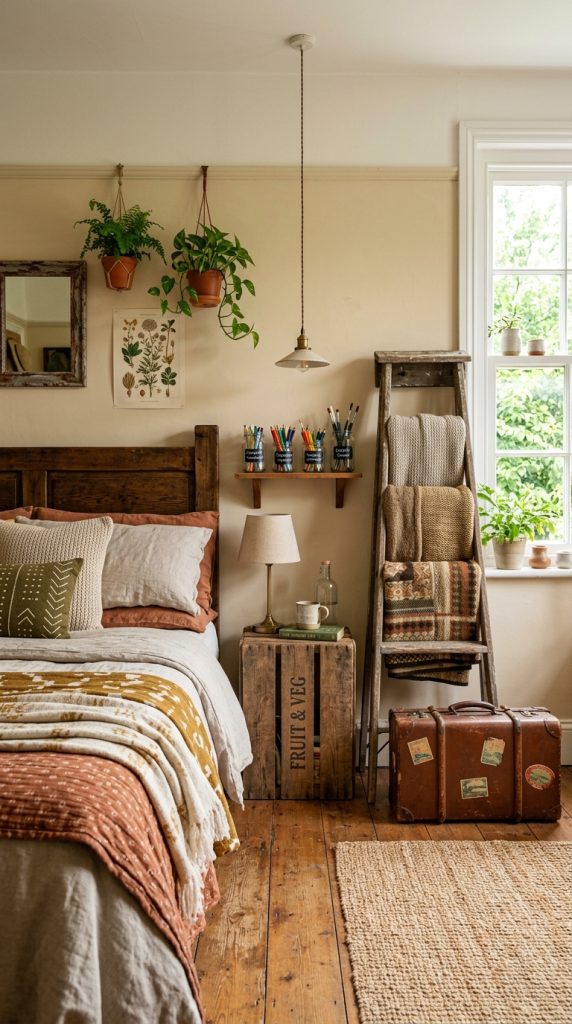
A wooden crate can become a bedside shelf. Glass jars can hold stationery or makeup brushes. A ladder can display blankets. A serving tray can organize a dresser. An unused stool can become a plant stand.
The key is to assign an old item a new purpose while keeping the result functional and visually coordinated.
Who This Idea Suits Best
Repurposing is ideal for:
- Sustainable decorators
- Craft enthusiasts
- Eclectic interiors
- Small rooms needing additional storage
- People with unused household items
- Anyone working with a very limited budget
Items You Can Repurpose
Look through storage areas for:
- Wooden boxes or crates
- Baskets
- Glass jars
- Trays
- Old frames
- Ceramic mugs
- Fabric remnants
- Suitcases
- Stools
- Small ladders
- Decorative bowls
A large empty frame can surround a smaller artwork or become a jewelry organizer with added string. A vintage suitcase can store seasonal textiles beneath a table. Decorative mugs can organize pens, brushes, or small tools.
Styling Tips
Repurposed items should look intentional. Clean them thoroughly and repair loose sections before use.
Repeat the material elsewhere in the room. For example, pair a wooden crate shelf with a wooden frame or woven basket.
Avoid displaying too many unrelated repurposed objects at once. Select a few useful pieces that support the room’s overall style.
Benefits
- Reduces household waste
- Adds unique character
- Solves storage problems
- Encourages creativity
- Saves money
- Creates decor that cannot be found in ordinary stores
9. Divide the Room into Functional Zones
A room often feels disorganized when it is expected to support several activities without clearly defined areas.
A bedroom may also function as a study space, dressing area, exercise zone, and reading corner. Separating these purposes visually can make the room feel larger and more manageable.
No new furniture is required. Existing rugs, lamps, wall decor, shelves, and furniture placement can define each zone.
Who This Idea Suits Best
Room zoning is most useful for:
- Studio apartments
- Shared bedrooms
- Student rooms
- Home offices
- Multipurpose living rooms
- Small spaces with limited privacy
How to Create Functional Zones
First, list the activities performed in the room. Then assign each activity to a specific area.
Position the desk near the best available light. Keep study materials in that zone rather than spreading them throughout the room.
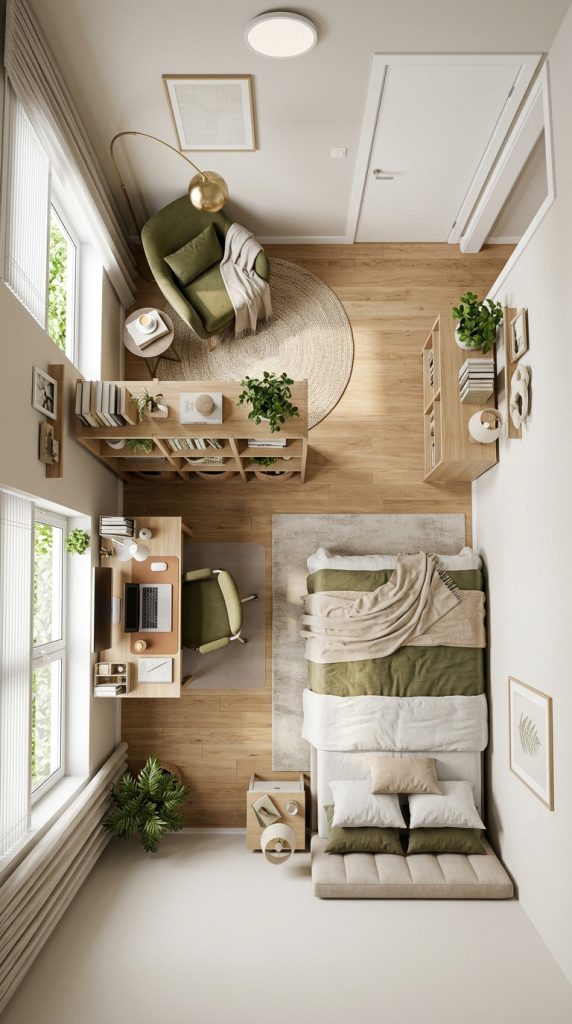
Use a rug to define a seating or reading area. Turn an existing shelf perpendicular to the wall to create a subtle divider, provided it is stable and safe.
A curtain, fabric panel, or folding screen already available in the home can separate a sleeping zone from a workspace.
Use different wall arrangements or lighting styles in each area while maintaining a shared color palette.
Styling Tips
Keep pathways open between zones. A divider should organize the room, not make movement difficult.
Use storage closest to the activity it supports. Books belong near the reading or study area, while clothing accessories belong near the dressing area.
Maintain one repeated material, color, or texture throughout all zones so the room still feels unified.
Benefits
- Improves organization
- Makes small rooms more functional
- Supports concentration and relaxation
- Reduces visual confusion
- Creates the feeling of multiple rooms
- Helps household members share spaces more comfortably
10. Bring in Natural Elements from Around Your Home
Natural materials add warmth, texture, and calmness to a room. You may already have suitable elements in the garden, kitchen, balcony, or another room.
Houseplants, branches, flowers, stones, shells, pinecones, dried leaves, and natural-fiber baskets can all contribute to an organic makeover.
Use only clean, safe, and responsibly collected materials.
Who This Idea Suits Best
Natural styling is ideal for:
- Relaxing bedrooms
- Bohemian interiors
- Minimalist spaces
- Nature-inspired rooms
- Neutral color schemes
- People seeking a calmer environment
How to Decorate with Natural Elements
Move an existing houseplant to an empty corner or place several smaller plants at different heights.
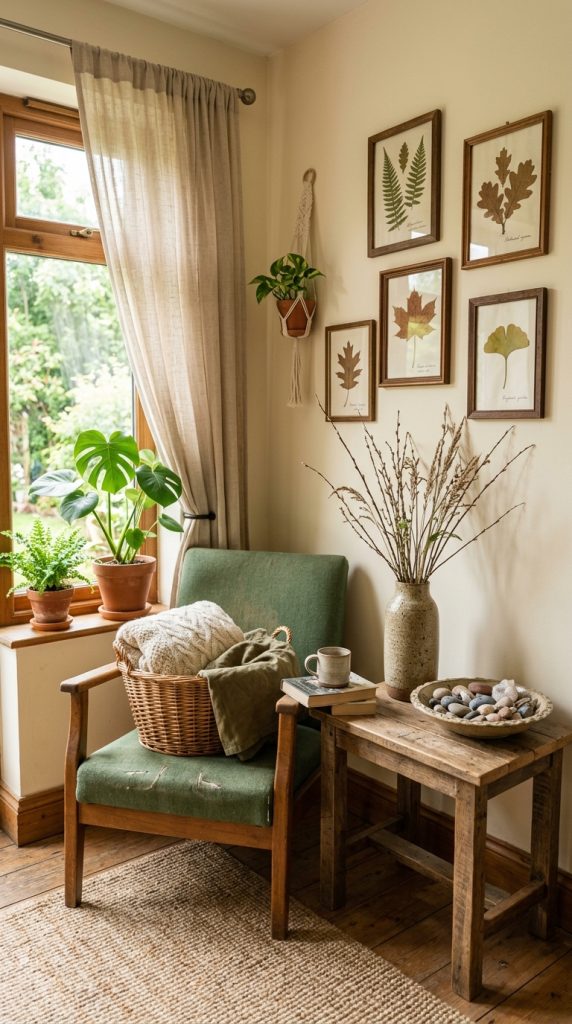
Arrange clean branches in a tall vase for sculptural decoration. Display stones, shells, or pinecones in a shallow bowl. Press dried leaves or flowers and place them in frames you already own.
A natural-fiber basket can hold blankets, books, toys, or cables while adding texture.
Open curtains during the day to make greenery and natural materials more visible.
Styling Tips
Do not overcrowd every surface with natural objects. One large branch arrangement may look more sophisticated than many small scattered pieces.
Check plants regularly for insects, drainage problems, or signs of stress before moving them indoors.
Combine natural elements with simple neutral backgrounds to emphasize their shape and texture.
Benefits
- Creates a calmer atmosphere
- Adds texture and organic color
- Makes the room feel more welcoming
- Supports sustainable decorating
- Fills empty corners naturally
- Works with modern, rustic, bohemian, and minimalist styles
A Simple Weekend Room Makeover Plan
A successful makeover becomes easier when completed in a logical order.
Day One: Edit and Rearrange
- Take photographs of the room before starting.
- Remove rubbish, laundry, and unnecessary clutter.
- Sort items into keep, relocate, donate, and discard groups.
- Measure the major furniture pieces.
- Test a new layout.
- Clean areas that were previously hidden behind furniture.
- Choose the room’s new focal point.
Day Two: Style and Finish
- Restyle shelves and visible surfaces.
- Rearrange existing textiles.
- Improve the lighting placement.
- Create one simple DIY wall feature.
- Repurpose one useful household object.
- Add natural decorative elements.
- Photograph the finished room from the same angle as the original image.
This order prevents you from decorating areas that may later be blocked or moved.
Pro Tips for a Professional-Looking Room Makeover
Choose Three Guiding Words
Before making changes, choose three words that describe how you want the room to feel. Examples include:
- Calm, warm, and uncluttered
- Bright, playful, and creative
- Modern, clean, and functional
- Cozy, natural, and personal
Use these words to evaluate every styling decision.
Work with a Limited Color Palette
Select one main color, one supporting color, and one or two neutral shades. You do not need to remove every item that falls outside the palette, but limiting the dominant colors creates visual harmony.
Repeat Materials and Shapes
Repetition makes a room look coordinated. Repeat wood, metal, glass, woven texture, rounded shapes, or rectangular frames in different parts of the room.
Style at Different Heights
Rooms appear flat when every decorative item sits at the same level. Combine low baskets, medium-height frames, and tall lamps or plants.
Leave Some Empty Space
Not every wall, shelf, or corner needs decoration. Negative space allows the eye to rest and makes the chosen items appear more important.
Photograph the Room During the Process
A photograph often reveals imbalance, clutter, and awkward spacing more clearly than looking at the room directly. Review images after each major change.
Common Room Makeover Mistakes to Avoid
Moving Furniture Without Measuring
A piece may technically fit against a wall while blocking a drawer, doorway, outlet, or comfortable walkway. Measure first and consider how the furniture is used.
Using Too Many Small Decorations
Numerous small objects can make surfaces look cluttered. Group related items or replace several tiny decorations with one stronger arrangement.
Ignoring Functionality
A beautiful layout is unsuccessful when it makes daily activities difficult. Ensure there is adequate lighting, storage access, walking space, and seating.
Decorating Before Decluttering
Adding more decorative objects to an overcrowded room rarely improves it. Remove unnecessary items before styling.
Blocking Natural Light
Tall furniture, dark curtains, and crowded windows can make a room feel smaller. Keep windows as open and unobstructed as possible.
Mixing Too Many Unrelated Themes
Combining rustic, industrial, glamorous, coastal, minimalist, and bohemian elements without a shared connection can create visual confusion. Choose one main direction and use other styles only as accents.
Forgetting Scale
Tiny artwork above a large bed or an oversized arrangement above a narrow desk may feel unbalanced. Match the visual size of the decor to the furniture below it.
Copying Trends Without Considering Your Routine
A highly styled room may look attractive online but fail to support your lifestyle. Choose ideas that are easy to maintain and genuinely useful.
How to Keep the Made-Over Room Looking Fresh
A room makeover should improve everyday living, not create additional work.
Use a five-minute evening reset to return objects to their designated zones. Clear the desk, fold blankets, remove cups, and place clothing in its proper location.
Once a week, dust open surfaces, water plants, and edit any areas beginning to collect clutter.
Once a month, reassess one shelf, drawer, or decorative area. Small regular adjustments are easier than repeating a complete room overhaul.
Frequently Asked Questions
Can I really transform a room without buying anything?
Yes. Rearranging furniture, decluttering, moving decor between rooms, restyling textiles, changing lighting placement, and repurposing household items can significantly change a room without new purchases. The most noticeable transformations often come from improved layout and visual organization.
What is the first step in a DIY room makeover?
Begin by defining the room’s main purpose and removing unnecessary clutter. Once the room is clear, measure the large furniture pieces and test a more functional layout before decorating.
How can I make my bedroom look expensive without new furniture?
Use a limited color palette, symmetrical bedside styling, layered bedding, warm lighting, organized surfaces, large-scale wall decor, and neatly arranged curtains. Consistency and careful placement usually create a more expensive appearance than adding more objects.
How can I make a small room look bigger?
Keep walkways clear, expose more floor space, use vertical storage, position mirrors to reflect light, avoid blocking windows, reduce visual clutter, and choose a layout that supports easy movement.
What is the easiest room makeover idea for beginners?
Rearranging furniture and restyling visible surfaces are the easiest starting points. They require no specialist tools, cost nothing, and can produce an immediate visual improvement.
Conclusion
A beautiful room makeover does not depend on buying a new bed, sofa, desk, or storage unit. It depends on seeing the existing room differently.
By rearranging furniture, creating a focal point, editing cluttered surfaces, refreshing worn finishes, restyling textiles, improving lighting, repurposing household items, and defining functional zones, you can create a space that feels completely renewed.
The most successful DIY room makeover ideas without buying new furniture are practical, personal, and easy to maintain. Rather than copying every interior trend, work with what you own and design around your real routines.
Choose one idea from this guide and complete it today. Take a before photograph, make the change, and compare the difference. A more comfortable and inspiring room may already be hiding inside the space you have.
- A bright modern bedroom undergoing a furniture-only layout transformation, same wooden bed, desk, chair, dresser, and rug rearranged to create more open floor space, sunlight streaming through a large window, clean neutral decor, warm natural textures, wide-angle interior photography from the doorway, editorial home-design styling, realistic shadows, inviting atmosphere, high quality, ultra realistic, 4k, sharp focus.
- A stylish bedroom focal wall created entirely with existing framed photos, postcards, sketches, mirrors, and woven decorations above an unchanged bed, balanced gallery arrangement, layered pillows and folded blanket, soft morning light, warm cream and terracotta palette, photographed straight-on at eye level, premium interior magazine aesthetic, high quality, ultra realistic, 4k, sharp focus.
- A beautifully restyled home-office bookshelf and wooden desk using existing books, framed photographs, trays, jars, candles, baskets, and decorative objects, carefully grouped items with intentional empty space, clutter-free organization, gentle window lighting mixed with a warm desk lamp, three-quarter camera angle, sophisticated lifestyle editorial scene, high quality, ultra realistic, 4k, sharp focus.
- An old wooden dresser transformed with leftover sage-green paint on the drawer fronts and removable botanical paper inside open shelves, original furniture structure preserved, simple ceramic decor and round mirror above it, bright airy bedroom background, soft diffused daylight, close three-quarter camera view showing realistic painted texture, professional DIY makeover photography, high quality, ultra realistic, 4k, sharp focus.
- A cozy bedroom transformed with existing textiles, layered cotton bedding, knitted blanket, patterned scarf used as wall decor, reused cushion covers, fabric draped neatly over a reading chair, warm beige, rust, and cream color palette, golden afternoon sunlight, slightly elevated camera angle, inviting bohemian editorial style, high quality, ultra realistic, 4k, sharp focus.
- A dark ordinary room transformed through improved lighting placement, existing floor lamp, desk lamp, bedside lamp, and mirror creating layered warm illumination, softly highlighted artwork and reading corner, evening atmosphere with realistic pools of light, cinematic interior photography from a low corner angle, luxurious yet affordable design mood, high quality, ultra realistic, 4k, sharp focus.
- A creative renter-friendly accent wall behind a bed, geometric arch made with leftover muted blue paint, neatly arranged photographs and postcards, removable tape details, unchanged wooden furniture, minimal bedding, soft natural daylight, centered symmetrical composition, professional DIY blog photography, subtle shadows and realistic wall texture, high quality, ultra realistic, 4k, sharp focus.
- A charming eclectic bedroom featuring repurposed household items, wooden crate used as a bedside shelf, glass jars organizing stationery, old ladder displaying blankets, vintage suitcase providing hidden storage, original furniture preserved, warm earthy palette, natural window light, three-quarter wide camera angle, sustainable interior-design editorial style, high quality, ultra realistic, 4k, sharp focus.
- A small multipurpose bedroom divided into functional zones using existing furniture, bed area, window-side study desk, cozy reading corner defined by a rug and lamp, open shelf positioned as a subtle divider, clear walkways, coordinated neutral and olive color palette, bright daylight, overhead wide-angle camera view showing the complete layout, high quality, ultra realistic, 4k, sharp focus.
- A peaceful nature-inspired room makeover using existing houseplants, clean branches in a tall ceramic vase, pressed leaves in reused frames, stones in a decorative bowl, woven basket holding blankets, unchanged simple furniture, soft sunlight filtering through curtains, calm organic atmosphere, eye-level corner camera angle, premium biophilic interior photography, high quality, ultra realistic, 4k, sharp focus.


Leave a Reply